Living in Denver means dealing with everything from dry, frigid winters to intense summer heat. These temperature swings put extra stress on your household appliances. Over the years, I have seen the same preventable breakdowns happen again and again simply because routine maintenance gets overlooked. This season-by-season checklist will help you stay ahead of problems and keep your appliances running efficiently all year long.
Spring: Clean Up and Prepare for Warmer Weather
Spring is the perfect time to shake off the winter dust and get your appliances ready for the busy months ahead. After a long Denver winter, your appliances deserve some attention.
Start by pulling your refrigerator away from the wall and cleaning the condenser coils. Dust and pet hair collect on those coils over the winter months, and dirty coils force the compressor to work harder, driving up your energy bill. A coil brush or vacuum attachment makes this a quick job.
If you have a central air conditioner, now is the time to check it before the first heat wave. Replace the air filter, clear any debris from around the outdoor unit, and run the system for a few minutes to make sure it cools properly. Catching a problem in April is much better than discovering it in July when every technician in Denver is booked solid.
I also recommend running an empty dishwasher cycle with a cup of white vinegar on the top rack to flush out mineral buildup from Denver’s hard water. Check the spray arms for clogged holes while you are at it.
Summer: Keep Things Cool and Efficient
Denver summers bring heat and dry air, which means your refrigerator and dryer are working overtime. A little maintenance now prevents mid-summer breakdowns.
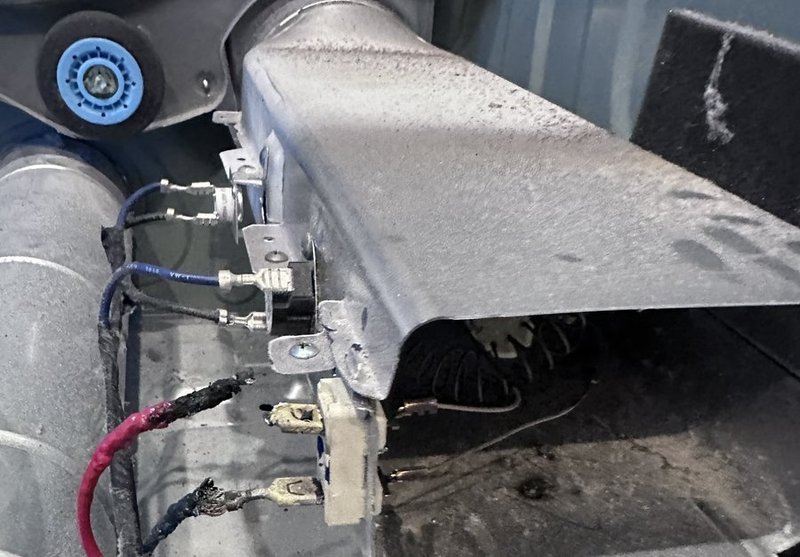
Clean out your dryer vent from the machine all the way to the exterior wall. Lint buildup is one of the most common causes of dryer problems I see, and it is also a fire hazard. If your clothes are taking longer than one cycle to dry, a clogged vent is almost always the reason.
Check the door seals on your refrigerator and freezer. Close the door on a dollar bill and try to pull it out. If it slides out easily, the gasket is not sealing properly and warm air is leaking in, making the compressor run constantly. Replacing a worn gasket is a simple repair that can save you money on your electric bill.
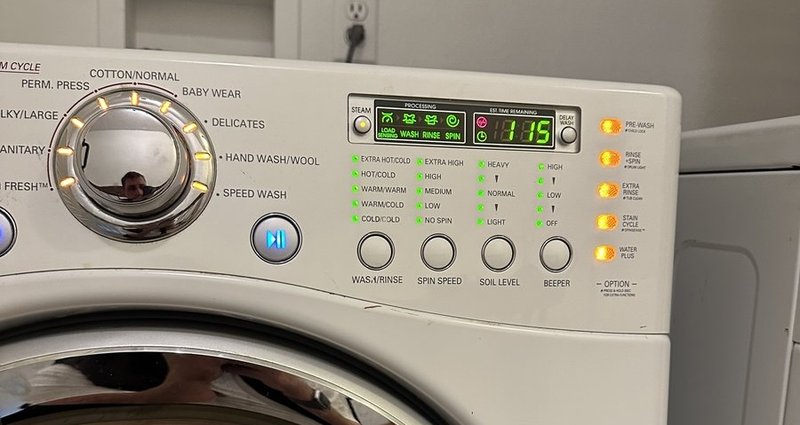
Give your washing machine a maintenance wash using hot water and a washing machine cleaner or baking soda. In the summer humidity, mold and mildew can build up inside the drum and door gasket, especially on front-load models.
Fall: Get Ready for the Holidays and Cold Weather
Fall is the season I get the most calls about ovens and stoves, usually right before Thanksgiving. Do not wait until the night before a big dinner to discover your oven is not heating evenly.
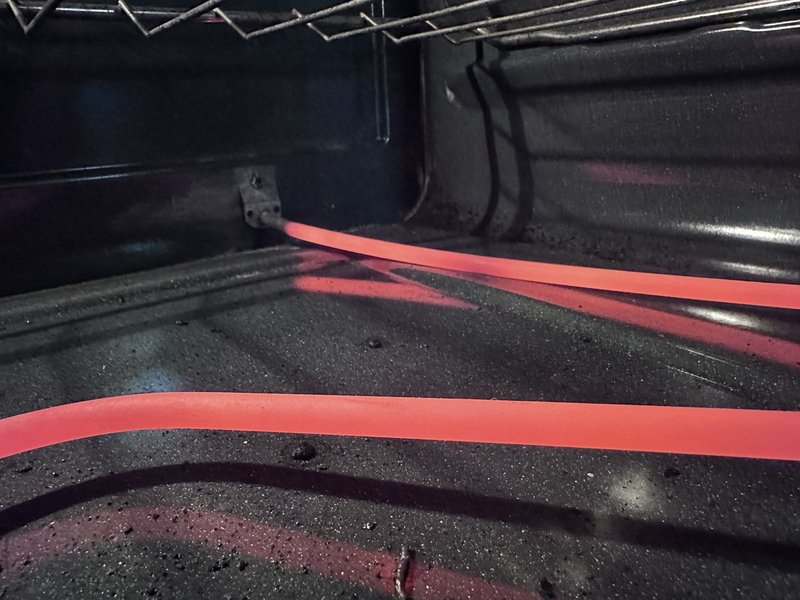
Test your oven by setting it to 350 degrees and checking the temperature with an oven thermometer after 20 minutes. If it is off by more than 25 degrees, the thermostat or heating element may need attention. Check the burners on your stove as well and clean any clogged igniter ports.
Run your dishwasher empty with a dishwasher cleaner to remove grease and lime scale before the heavy holiday workload. Inspect the door gasket for cracks and check that the spray arms spin freely. If your dishes are not coming out clean, a clogged filter or worn spray arm is usually the culprit.
Fall is also a good time to pull your dryer away from the wall and check the flexible vent hose for kinks or damage. A crushed hose restricts airflow just as much as lint buildup does.
Winter: Protect Against Freezing and Heavy Use
Denver winters can be brutal, and frozen pipes are one of the most expensive problems I see. A little prevention goes a long way.
If your washing machine is in a garage, basement, or near an exterior wall, check that the water supply hoses are in good condition. Rubber hoses become brittle over time, especially in cold temperatures. I recommend replacing rubber hoses with braided stainless steel lines, which are far more resistant to bursting. Disconnect and drain any outdoor water connections to your appliances.
Keep your refrigerator and freezer stocked during the winter. A full freezer retains cold more efficiently than an empty one, which means the compressor cycles less frequently. If you do not have enough food to fill it, bags of ice or water bottles work just as well.
Inspect the heating element and door seal on your oven, since it will be getting heavy use during the cold months. A failing seal lets heat escape and makes the oven work harder to maintain temperature, increasing your energy costs.
Need help with seasonal maintenance? I offer thorough appliance inspections for just $75 in the Denver metro area, and every repair comes with a 180-day warranty.
A Little Maintenance Goes a Long Way
Most of the appliance repairs I handle in Denver could have been prevented or caught early with basic seasonal maintenance. Spending 15 minutes per season on these tasks can save you hundreds of dollars in emergency repairs. If something does not look or sound right during your maintenance check, give me a call. I would rather help you catch a small problem early than replace a major component later.